LEONOVICH GALLERY, 520 West 24th Street, New York City, New York 10011
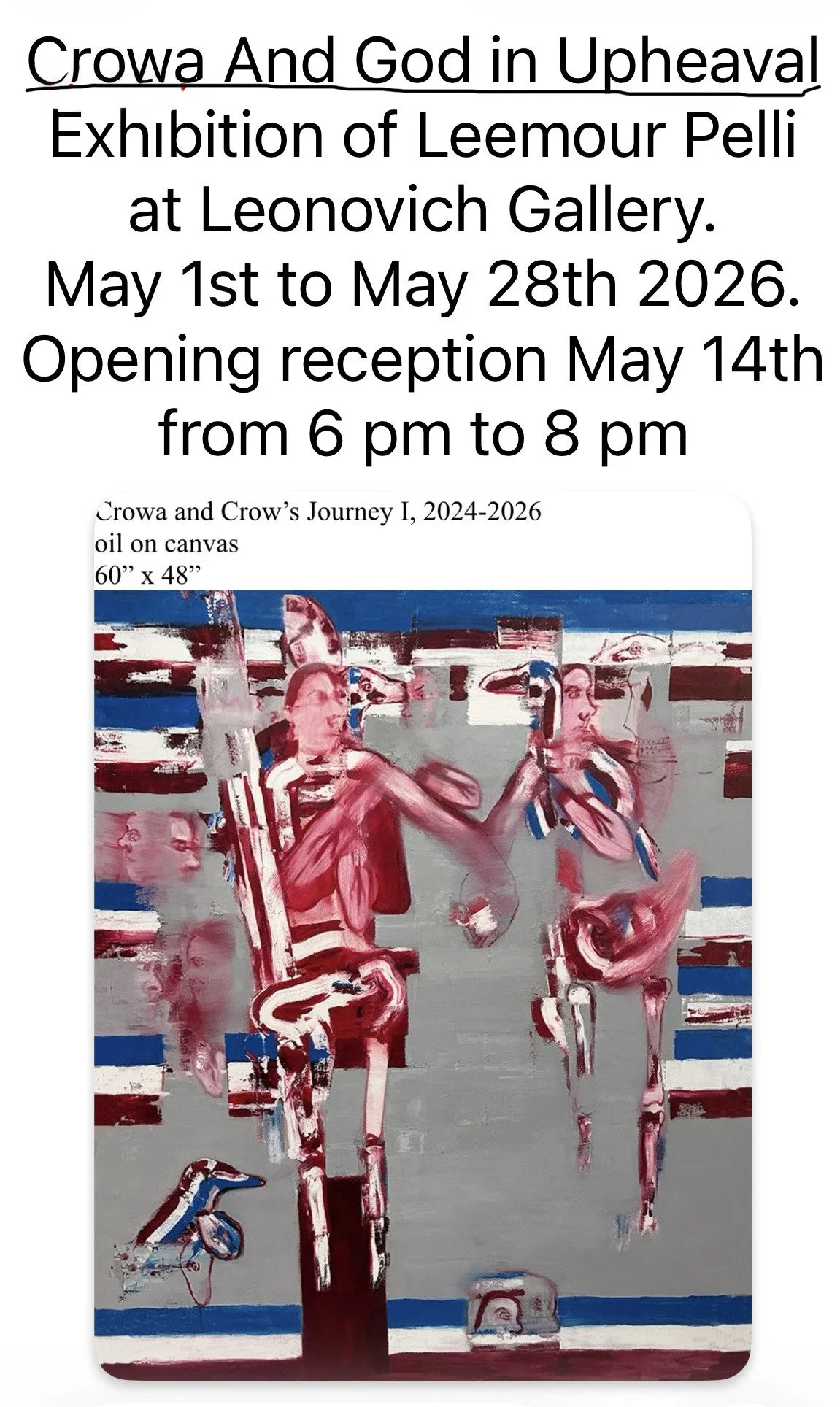
LEEMOUR PELLI: Crowa and God in Upheaval, May 1st – May 28, 2026.
EXHIBITION OPENING: May 14th, 2026 6-8:00 pm
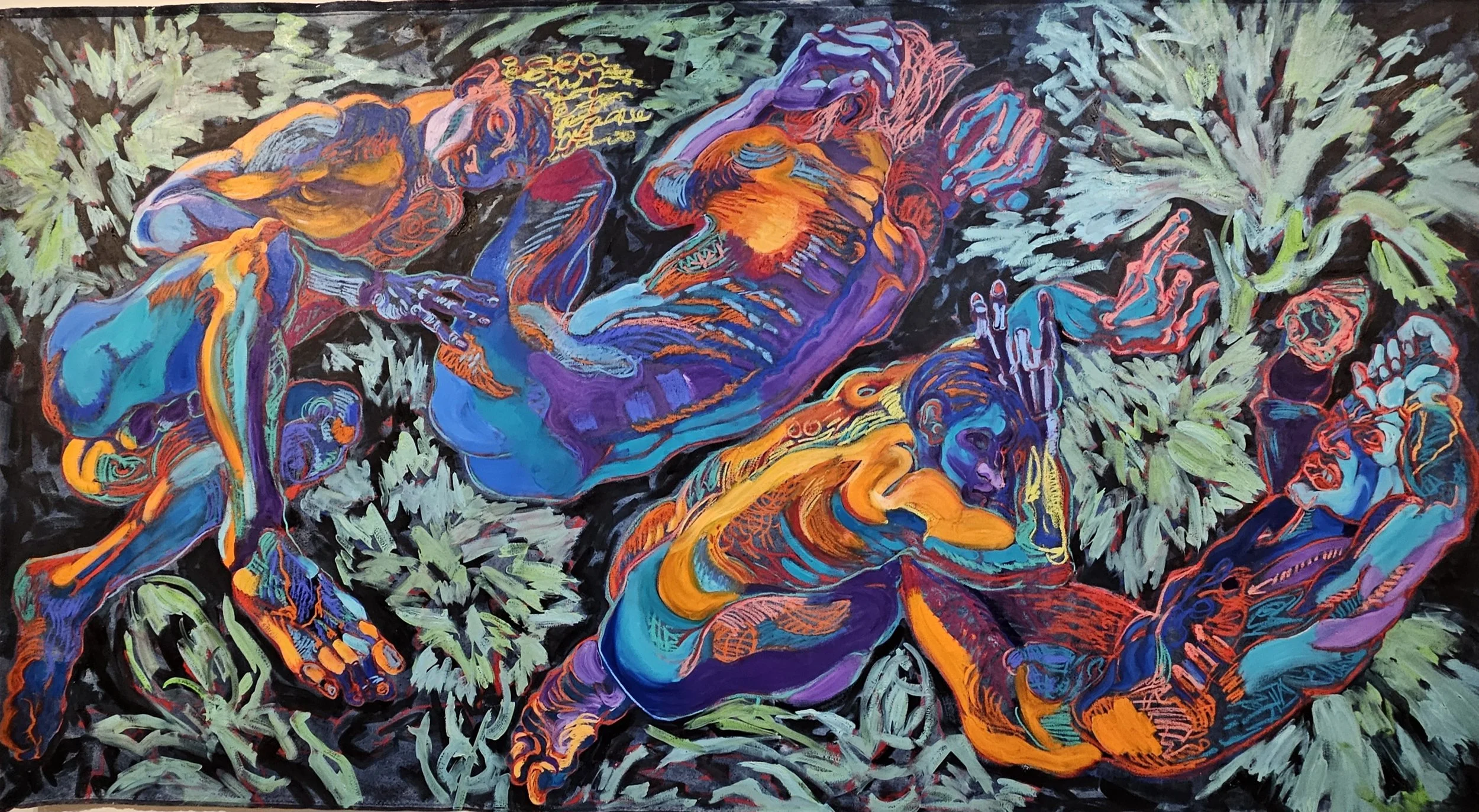
Leonovich Gallery is pleased to announce a solo exhibition of New York-based artist Leemour Pelli, Crowa and God in Upheaval, featuring a new series of paintings building upon the artist’s longstanding interest in probing the depths of the human condition through painterly viscerality resembling distorted x-rays and anatomical studies. The exhibition runs from May 1 – 28th, 2026, with a press preview and private reception on May 14, 2026 from 6-8 pm. This exhibition was curated by legendary gallerist Annina Nosei, best known for exhibiting Jean-Michel Basquiat, Barbara Kruger, Robert Longo, Shirin Neshat, among many other renowned artists.
A strong literary bent informs the direction of Pelli’s latest paintings as these are an amalgamation of thematic and narrative elements derived from books, most notably her father’s novels God in Upheaval (God Imprisoned) and Al Da’Ateft (For Drowning Others); poet Ted Hughes’s From the Life and Song of the Crow; and Polish-American writer Jerzy Kosinski’s The Painted Bird. Much like an epic literary work, Pelli’s paintings invite a deep and introspective engagement oscillating between psychological states, episodic storytelling, and philosophical ruminations.
According to Nosei, “Though grounded in figuration, her paintings move beyond the visible into a metaphysical realm. We do not see them - we feel them.” Thick and heavy layers of brushstrokes cover her canvases, all but obfuscating her male and female protagonists, Crow and Crowa, who are shown in moments of silence, tension, and pathos.
A corporeality enmeshed in a high emotionality is a consistent visual throughline from one painting to the next. Oversized hearts and limbs are not to be taken literally, but purely as Pelli underscoring the emotional connectedness between Crow and Crowa. Jarring reds and blues further heighten the drama of the couple’s journey that is veiled in a mysterious, indeterminate zone split between being this-worldly and otherworldly.
Nosei reflects on the importance of duality in Pelli’s paintings as a recurring motif in which there is “a quiet dialogue between opposing yet interconnected forces. Her recurring figures, often paired in contrast, are less depictions of reality and more reflections of inner states, fragments of thought and emotion suspended in space.”
What they are pursuing and what they may be evading is left as a deliberate ambiguity that stimulates multiple layers of reading on the part of the viewer. As Nosei ponders, “Pelli’s work lingers in what cannot be fully defined. Perhaps, in doing so, she gestures towards something beyond perception itself - a quiet awakening of the sixth sense?”
Liam Otero
May 2026
KATYA LEONOVICH
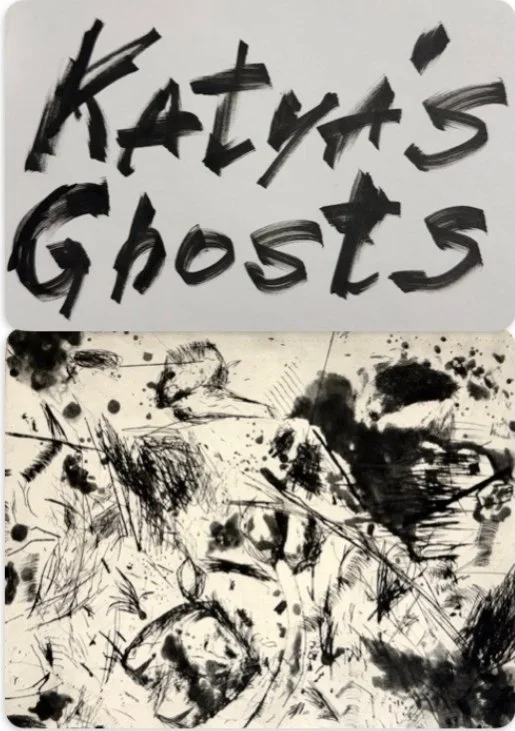
Katya’s Ghosts
April 2 - April 28, 2026
Leonovich Gallery is pleased to announce Katya’s Ghosts, a solo exhibition by Katya Leonovich of watercolors, agua fortis etchings, and a multimedia installation including fashion design and film. The exhibition runs from April 2nd to April 28th, with a press preview and private reception on April 23, 5-8pm.
The show opens with Gotham Girl (neoprene, cotton, organdy, leather) and Mother Gothel (cotton organdy), multilayered flowing fabric, in black and white. The work suggests an uncanny cross between Charles Dickens’ Oliver Twist and Alan Jay Lerner’s My Fair Lady.
The exhibition continues with the artist’s recent large watercolors, from 2025, which evoke dancers rendered in theatrical hues of blue and pink, brown and black, purple and green. The smaller aqua fortis etchings are darker, depicting bodies, as in The Family and the Ghost, while others are expressionist portraits, as in Portrait I, Portrait II, Portrait III.
The video, Vivisezione: Arte e Moda in Manicomio, 2019, intermingles the artist’s paintings with her early work in fashion design. We see people walking in and out of showrooms, and a male model doing a catwalk in a bridal gown. This turns into a performance, when Leonovich takes a pair of huge scissors and cuts the bridal gown into pieces, a nod to Yoko Ono’s once scandalous Cut Piece.
Today the art world has largely embraced fashion design, a big change since the 1990’s, when fashion was dismissed as, well, fashion. We see historic and contemporary exhibitions focused on the art of fashion in museums worldwide, notably New York’s Metropolitan Museum Costume Department, the Museum at FIT (Fashion Institute of Technology), V&A in London, Palais Galliera in Paris among others.
The artist's background as a successful fashion designer in Europe decades ago, largely informs this work which offers an overview of her prolific output over the past 25 years.
Elga Wimmer
April 2026

Watercolor II (2025) 50’’ x 80’’

John Zieman has been making video art since the late 1970’s, works that captured the zeitgeist of that experimental and psychedelic age, in their use of abstract imagery and special effects, edited to music. This predated the familiar aesthetics of MTV (Music Television), combining modern technology and popular music.
Zieman composes all the music in his videos, including the lyrics, and takes on all directorial duties in every minutia, down to his hands on editing, leaving nothing to chance.
This show takes its title from his video of the same name, Weaponized Beauty, 2012, whereby images are projected onto the gallery wall as a three-channel screening that juxtaposes pristine nature—at risk of extinction—with human habitat, arguably at risk of extinction as well. The two-channel video work OTOH (On The Other Hand), 2026, transports these concepts into our present time, juxtaposing animals in danger of extinction with otherworldly beautiful oceans and landscapes.
Inspired by Musique Concrete, a practice of composing music using sounds from nature, rather than man made musical instruments, Zieman affects a sense of impending existential doom, environmental catastrophe. Earlier works tap into everyday stories, with a clin d’oeil to Film Noir. Over the years Zieman has collaborated with other notable video artists of the era, in particular, Nam Jun Paik and Dara Birnbaum.
In his piece, TS3 (Time Suite 3), 2010, we see layered portraits of various protagonists, alone and sometimes as couples, whose bodies are covered with text written by Zieman, which appear as moving tattoos on skin. There is a certain melancholic undercurrent prevalent here, as the models exude a robotic like quality, in their stillness. When they move at all, it is in highly controlled, rhythmic gestures.
The stills mounted in diptychs and triptychs on aluminum were taken from videos in the show, with text that appears like captions at the end of a movie. Except that here they serve as a final oracle, if you will, a thinly guised warning of what could be waiting around the corner.
Elga Wimmer
February 2026
ESTHETICS CTRL+C
an exhibition by solo contemporary artist, <incognito>
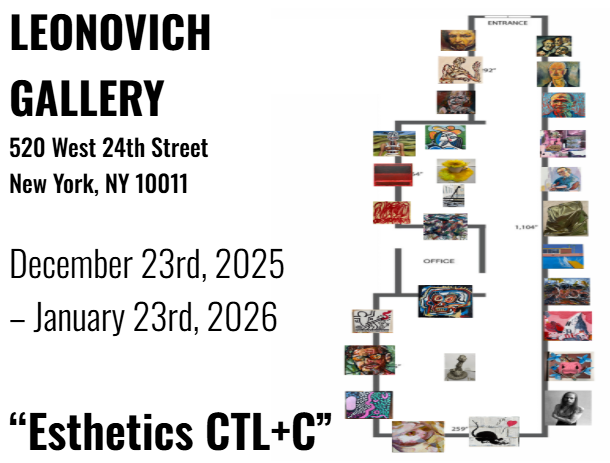
The aesthetic qualities of an artistic “style” seem to have become a critical and identifying facet of an artist’s body of work and identity. While historic shifts through art history have pushed artists into new visual approaches, in a digital age where the canon has been thoroughly examined and established has style become equally a commercial and hollow factor?
Esthetics influence a critical reading of art through a formalist lens, leading one to consider choices from the fundamentals of art such as composition or light to deeper analysis into the sublime of beauty. Where esthetics can provide a rich visual signifier to an artists’ catalogue, it can also place around them a box.
In Esthetics Ctl + C, the artist pulls back, removing themselves from the equation and allowing the esthetics to take the spotlight. Beginning with the old master works of Rembrandt and leading to the contemporary work of Herst, the artist appropriates the styles of artists throughout the canon. Stripping the work's aesthetic choices from the context and figures long associated— rather, placing icons and people from within their own life—the artist forces us to consider the importance of “style”. When “style” and esthetics take such precedent and importance in a contemporary and commercialized viewing of art, does it matter who the artist is?
Allysa Barnaba
December 2025
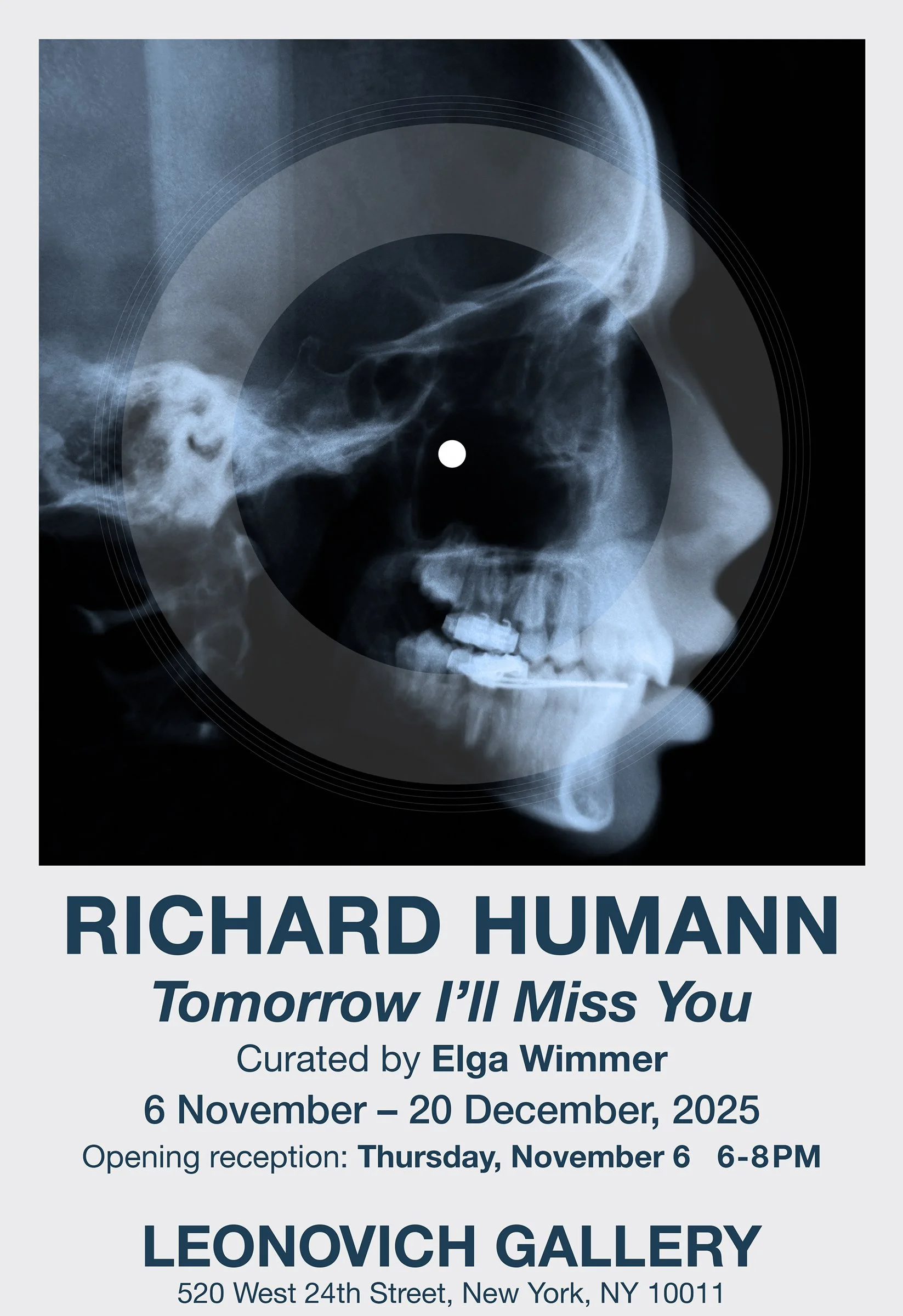
Tomorrow I’ll Miss You
an exhibition by Richard Humann
November 6 — December 20, 2025
New York based multi-media artist Richard Humann mixes modern technology with traditional art practices in this one-person exhibition, Tomorrow I’ll Miss You, at Leonovich Gallery, Chelsea, NY.
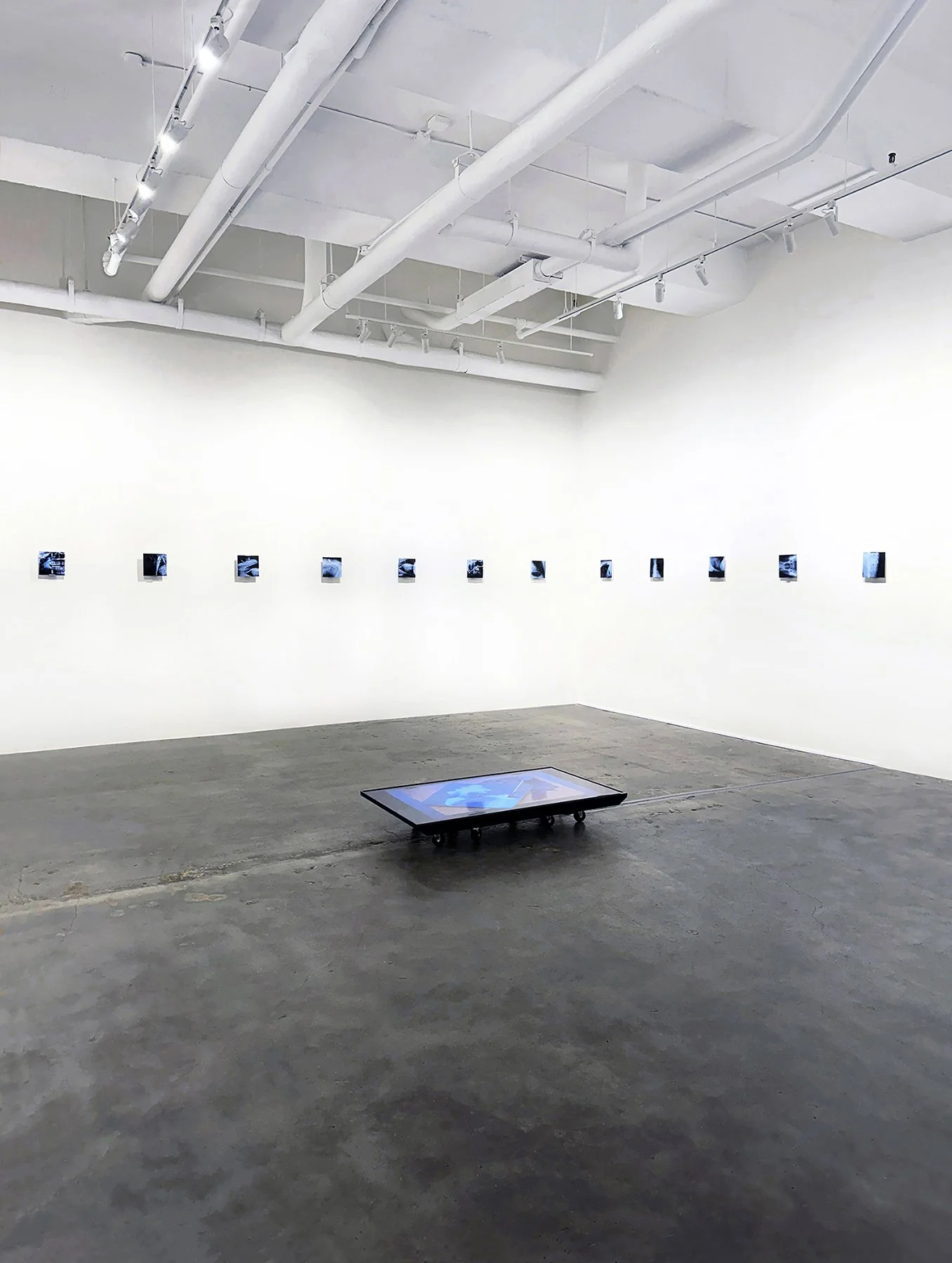
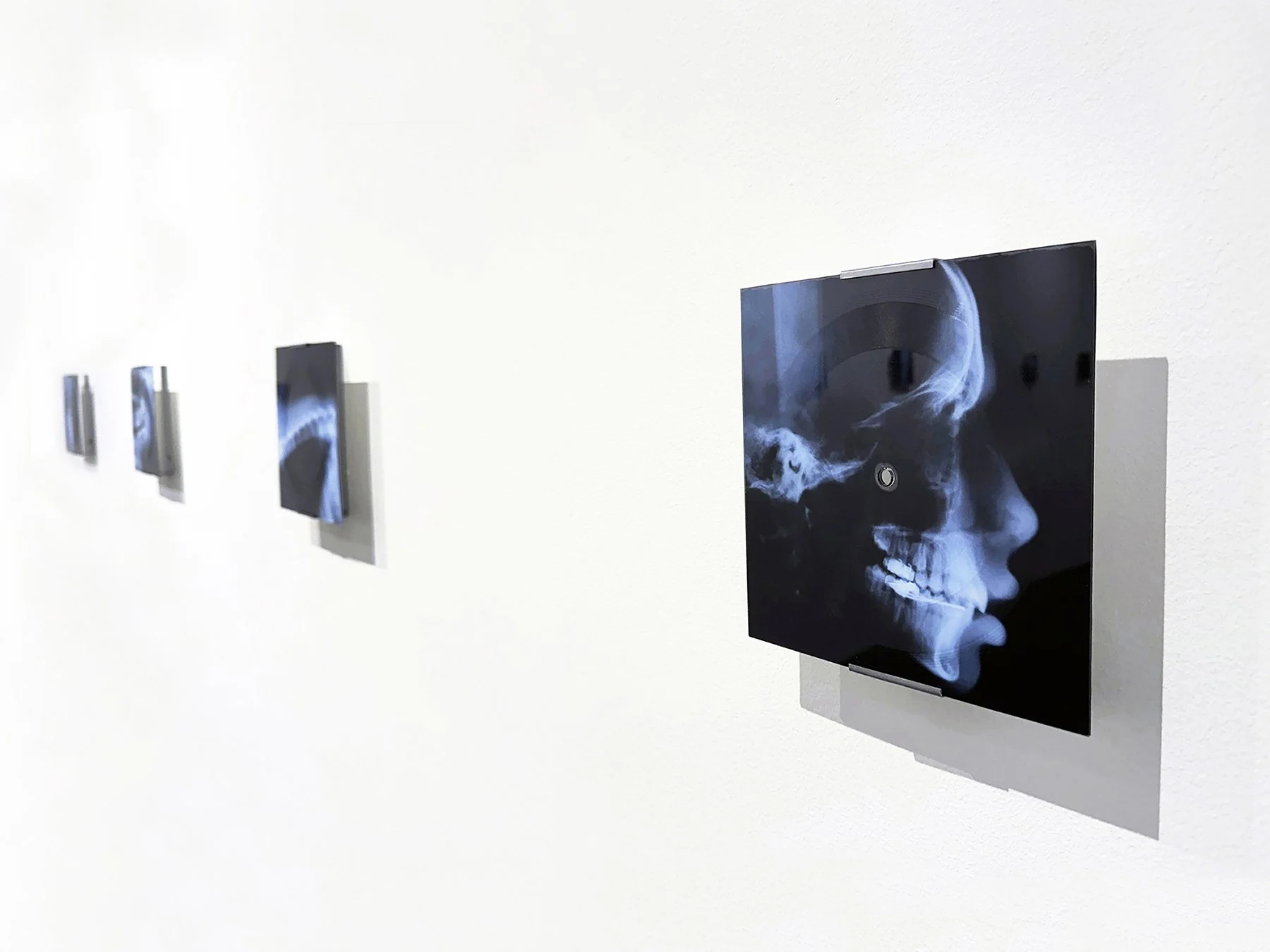
For the show, Humann produced over sixty music “singles,” pressed onto clear polycarbonate flex discs. The discs are backed with archival film of X-ray images. The concept in doing this is based on a practice that was common in the late 1950’s and early 1960’s in the USSR, and other countries trapped behind the Iron Curtain. Called bone music, music on bones, or jazz on bones, this was a black-market method of smuggling in behind the Iron Curtain music that was banned by the communists, for fear of Western influence.
This clandestine technique for circulating the banned pop music led to the introduction of Elvis Presley, The Beatles, The Rolling Stones, Bob Dylan, and other major recording artists from non-communist countries.
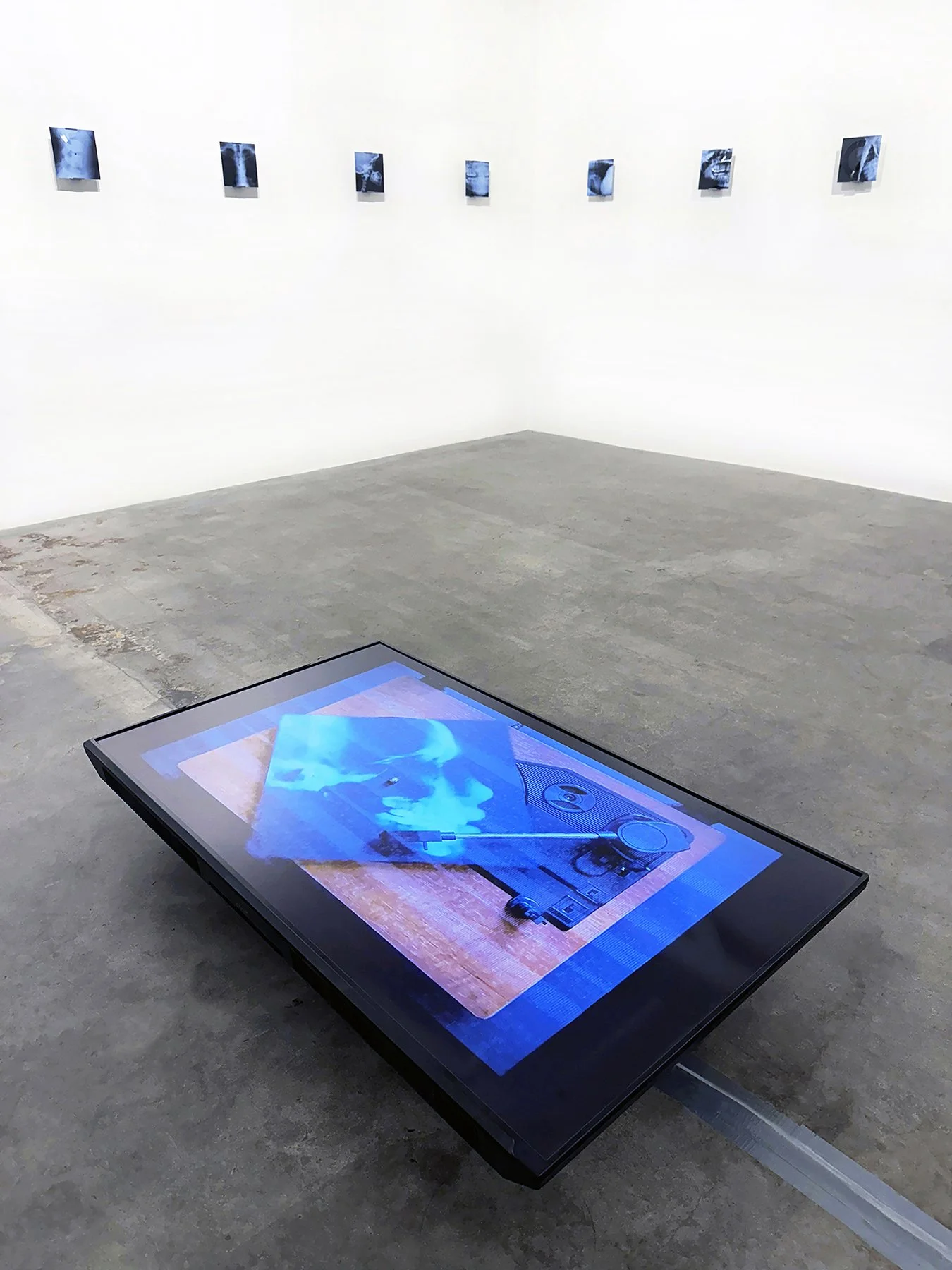
To create the work, Humann purchased a hundred actual X-rays and had them scanned. The X-rays are images of legs, arms, torsos, heads, as well as teeth from dental offices. They were then printed onto archival film and mounted to the backs of the clear polycarbonate flex discs.
The songs were pressed onto these discs, and which can be played on a record turntable. Humann wrote the lyrics to six songs that were created for the project, as well as the music, using a music AI program. For the AI generated music, he programmed meta tags that directed the program to mimic the sound, voice, and instruments from the mid-20th century, over the contemporary themes and references of the lyrics.
The lyric pages, and meta tags are displayed in the gallery as a road map to the inner workings of the thought process; the interaction between human and machine. Just like in the X-ray process itself, a machine gives an insight into the inner workings of the human body, and the lyric/meta tag text gives an insight into the inner workings of the machine. The underlying theme of the show addresses issues of artistic freedom, how the human spirit thrives in totalitarian societies.
— Elga Wimmer, curator
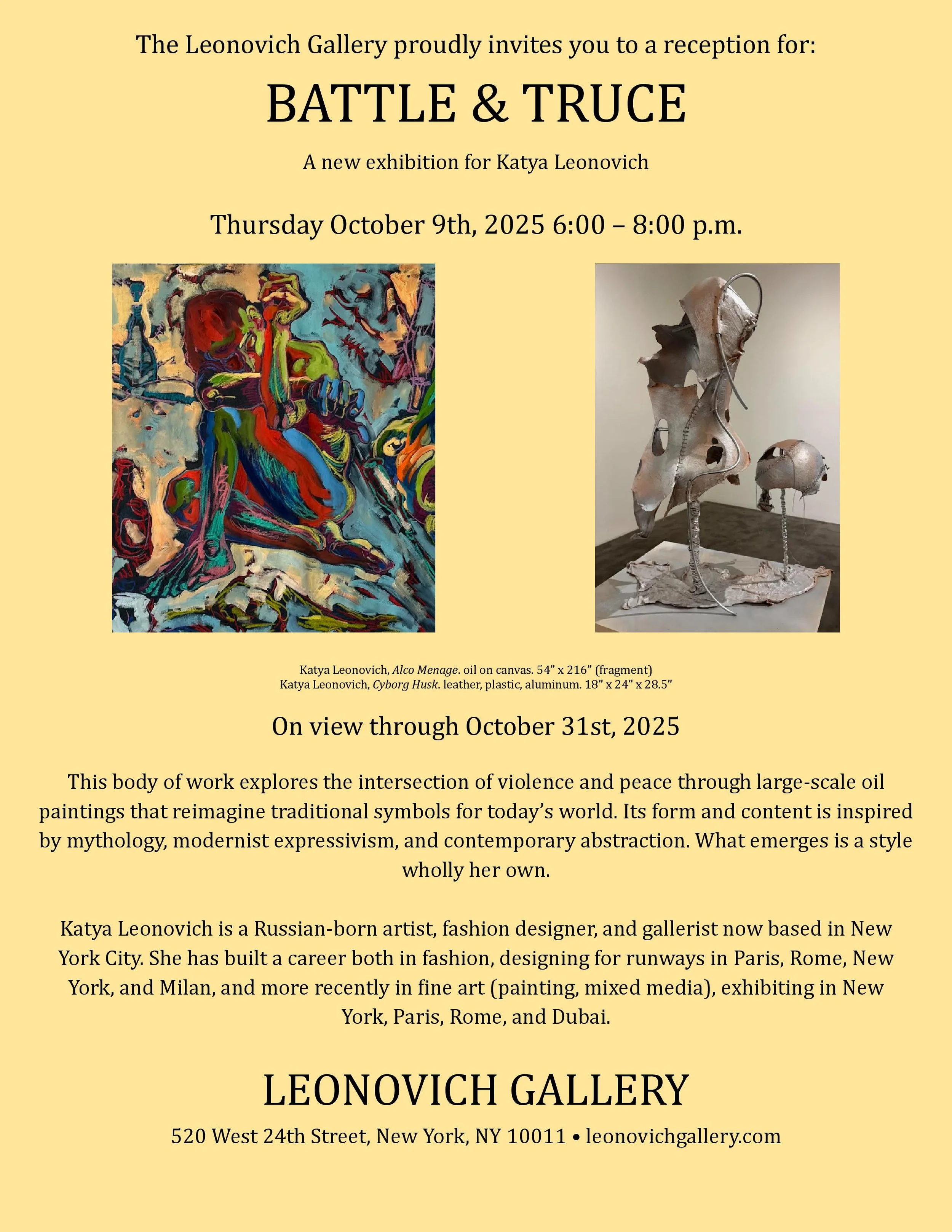
BATTLE & TRUCE:
exhibition. September 3 — November 1, 2025
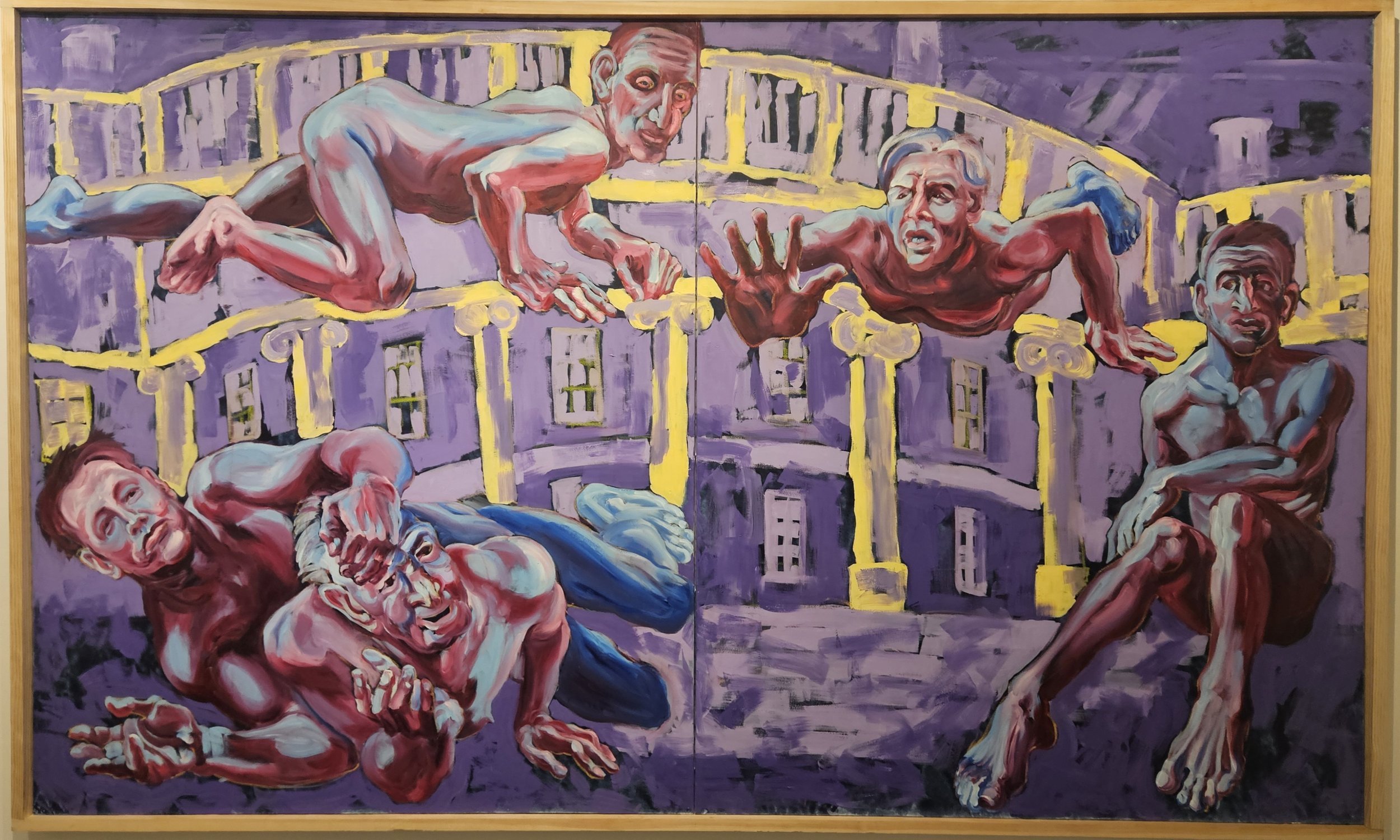
The Battle of Rotunda (oil on canvas) 72’’ x 120’’
Figuration and abstraction live as opposite ends of a boundary within the fundamentals of art. Works either lean into the figurative nature of a composition or abandon what tethers the work to reality for a glimpse of the spiritual and internal through abstraction. Yet, historically, artists have always transgressed boundaries—especially within the frame of the art historical canon. From the Dada movement emerging from World War I, the rise of Abstract Expressionism paralleling World War II, or the explosion of activist-centered work based in the United States following the Civil Rights Movement, artists have turned to the canvas to explore worldly dilemmas and unjust times through transgression.
“Battle & Truce” presents the dilemma of war and peace beyond physical battles by working on both sides of this fundamental boundary. Split between two halves, The Battles and The Truces, Leonovich explores the nature of the figure and utilizes each representation for a critique of the human act of war. Leonovich showcases her traditional abilities through straightforward rendered figures within the five “Battles” paintings; highlighting muscle definition and shadow and light. This practical anatomy of the figure becomes deconstructed later in the five continued works representing “Truces”; she distorts faces, warps perspectives, and takes liberties with the key anatomical measurements of the figures.
Duality rings from the mind onto the canvas in this display of the dilemma of the artist; what is right and wrong within conflict. Leonovich prompts us to consider the position of the figures within her work, the mortality of the battle displayed in arbitrary and absurd colors. The duality of positions of power and moral perspectives are highlighted by the two halves of the series.
“The Battles” presents us with structured and fleshed-out figures, harking back to the German Expressionist style of colorwork while maintaining a defined view of the body. The Battles wear the mask of vivid abstraction. luring the viewer in with the false promise of absurd and imaginative expression only to unveil the truth upon a closer look. These paintings display the true nature of war: fear, aggression, murder, and violence. The drama of these first five works paints a portrait of humanity’s battle form the past to the present.
“The Truces” offers a different perspective, alternates of the battles before them with each work serving as a mirror of the battles. The idea of a truce presupposes peace, the end to a conflict. However, truces often bring to light privilege, underlying power structures, and further injustices seen within conflict. However, truces often bring to light privilege, underlying power structures, and further injustices seen within conflict. Here, Leonovich’s figures break free of the rigidity of the battles; they shed the mask of the battle, wearing the toll of violence and aggression. These figures’ bodies melt and lose form and Leonovich allows her expression to take charge over form. The truces highlight wins, showing the gluttony to be found in acts of battles.
Leonovich not only poses questions of the duality of human conflict within this series but also the conflict of artistic style. On a long journey to produce her best and grow as an artist, Leonovich calls out the temptations to give into the pitfalls of style as a means of recognition. In an art world full of stylization and recognizable aesthetics pressing down on artists today, can one push back against these restraints? Leonovich finds comfort in the challenge, forever changing and adapting within each series while developing and honing the mediums and color palettes she finds most compelling. Leonovich chooses to push these boundaries within the art world, mirroring the intertwined relationship between societal conflicts and art since the canon’s inception. Similarly to movements of the past, Leonovich blurs boundaries; playing with contradictory artistic styles to reflect how contradictory our political landscapes feel today.
This series marks a clear moment in Katya Leonovich’s career with some of the largest-scale paintings she has created; “Alco Ménage” stands out as her largest work. Leonovich remains fascinated in her exploration of the male form as an expression of the complexities of human dissension. Here she bridges her traditional artistic training and skills with her notable expressive linework and colors to highlight the stark contrast of moments of disagreement within her paintings.
Allysa Barnaba
June 2025
Carnation Addiction (oil on canvas) 72’’ x 128’’
PAST EXHIBITIONS
-
![]()
Battle & Truce
-
![]()
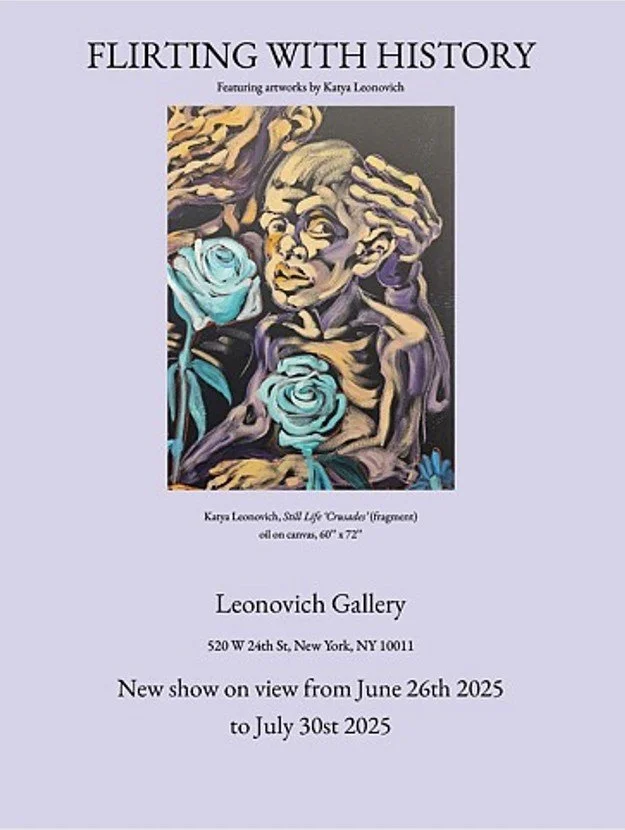
Flirting With History
-
![]()
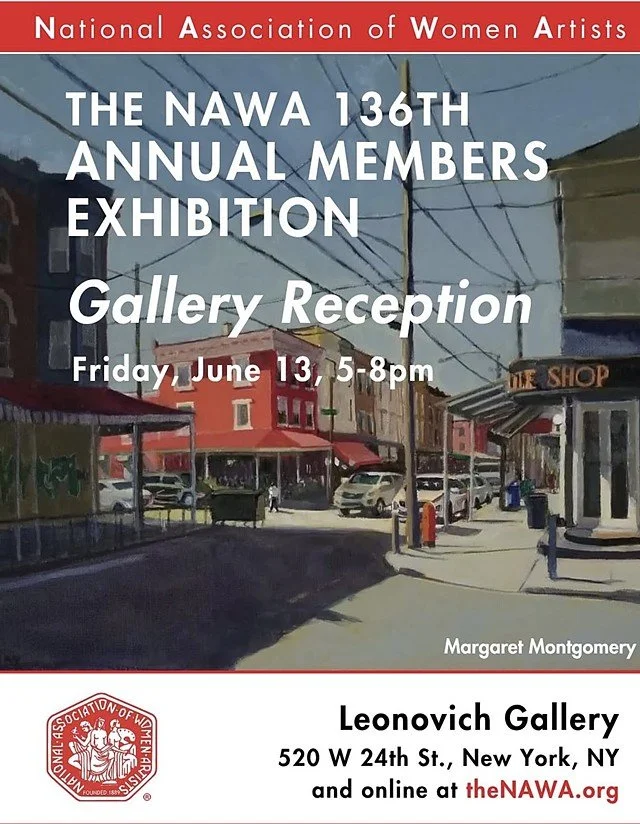
NAWA Annual 2025
-
![]()
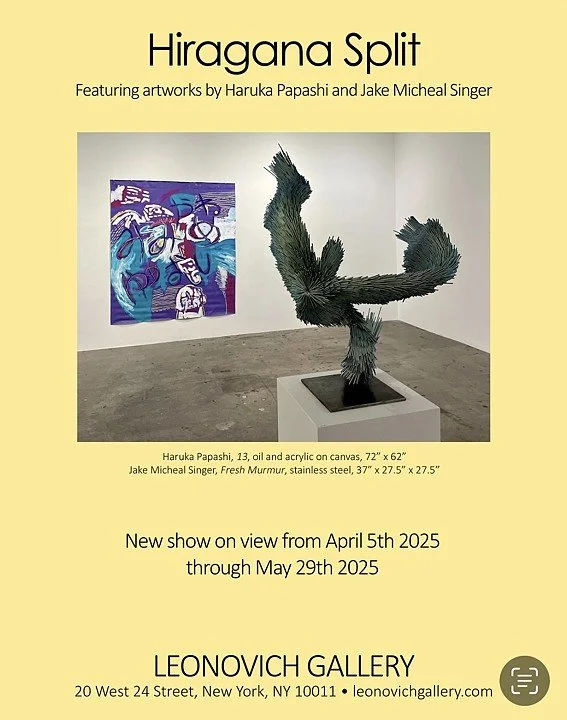
Hiragana Split
-
![]()
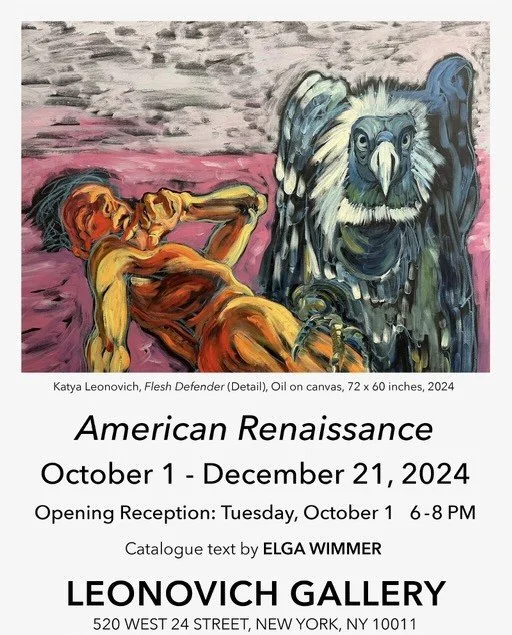
American Renaissance
-
![]()
Feminine Creation
-
![]()
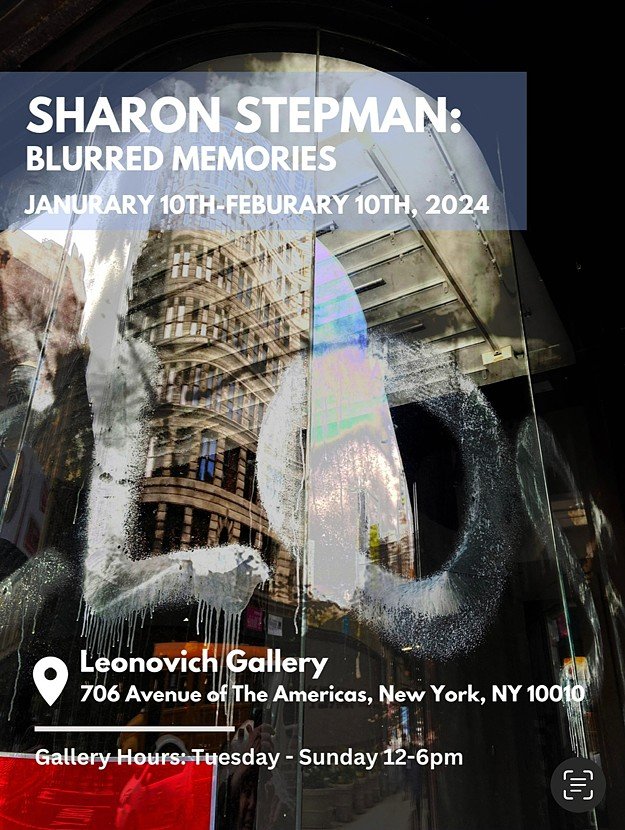
Blurred Memories
-
![]()
Everyday Heroes
-
![]()
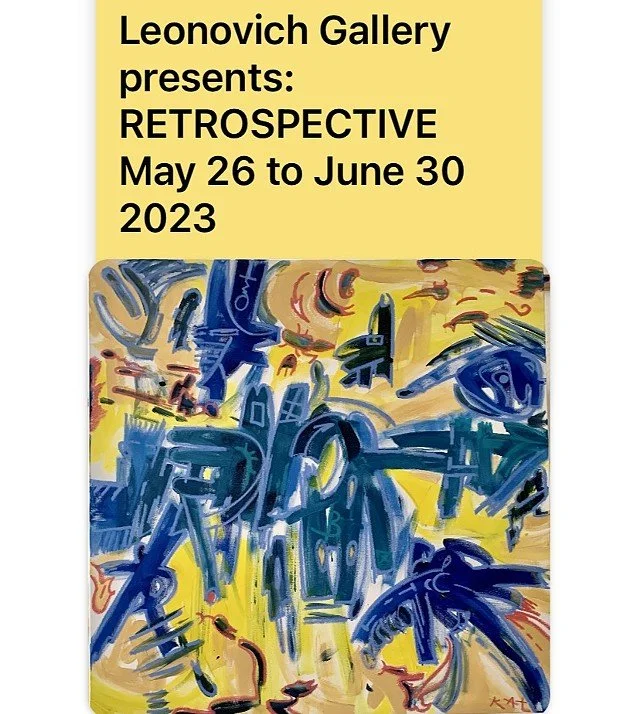
Retrospective
-
![]()
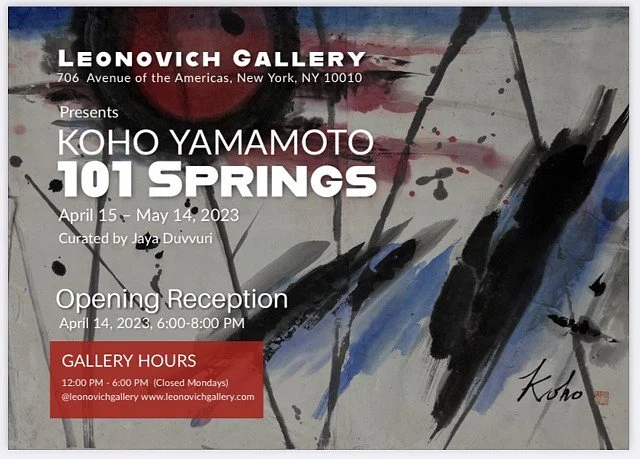
101 Springs
-
![]()
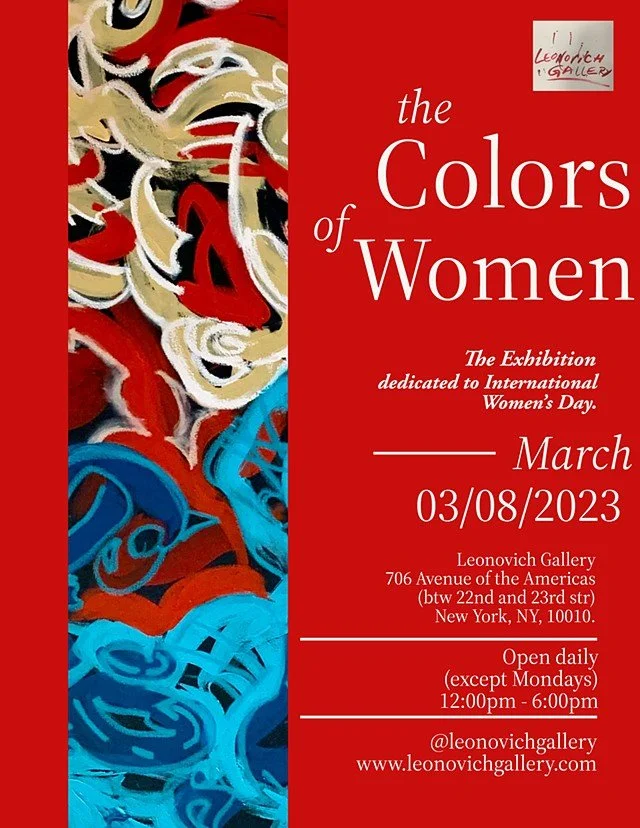
The Colors of Women
-
![]()
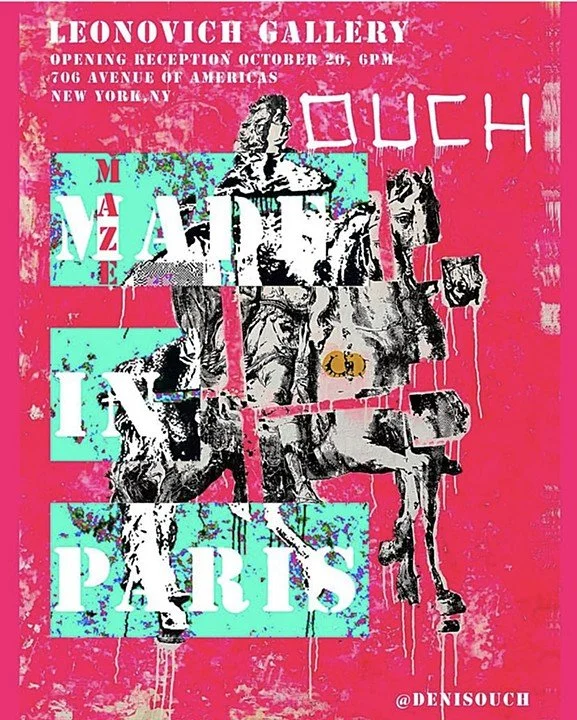
Ouch
-
![]()
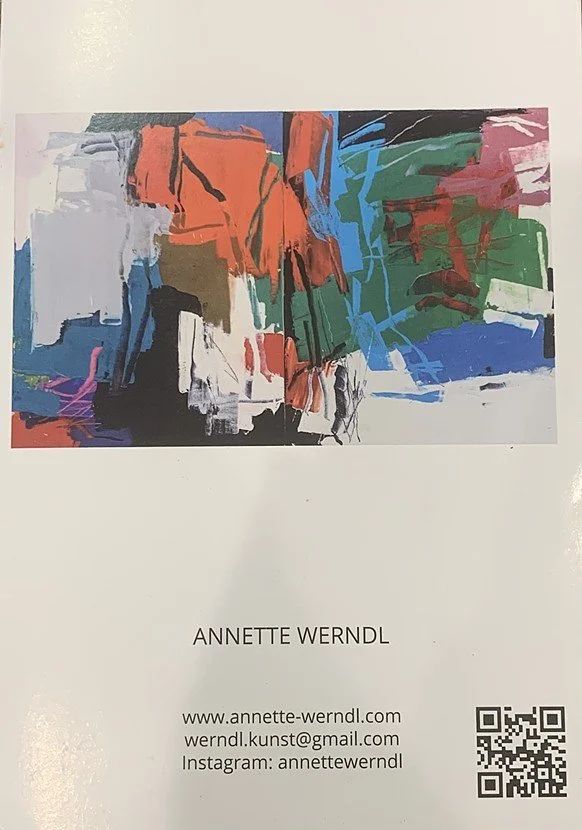
Annette Werndl
-
![]()
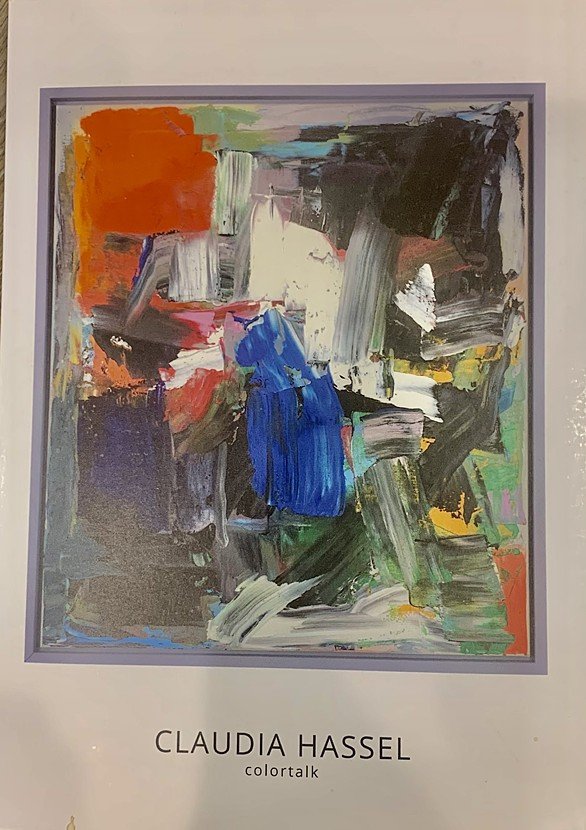
colortalk
-
![]()
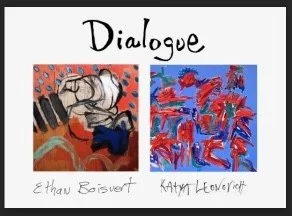
Dialogue
-
![]()
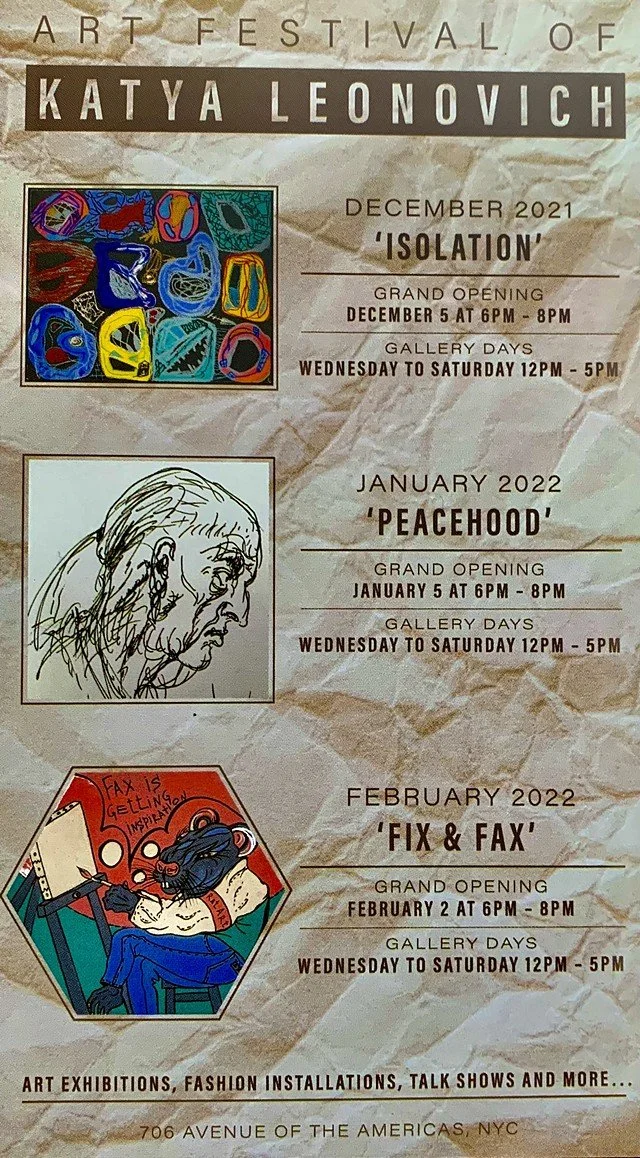
Art Festival for Katya Leonovich
-
![]()
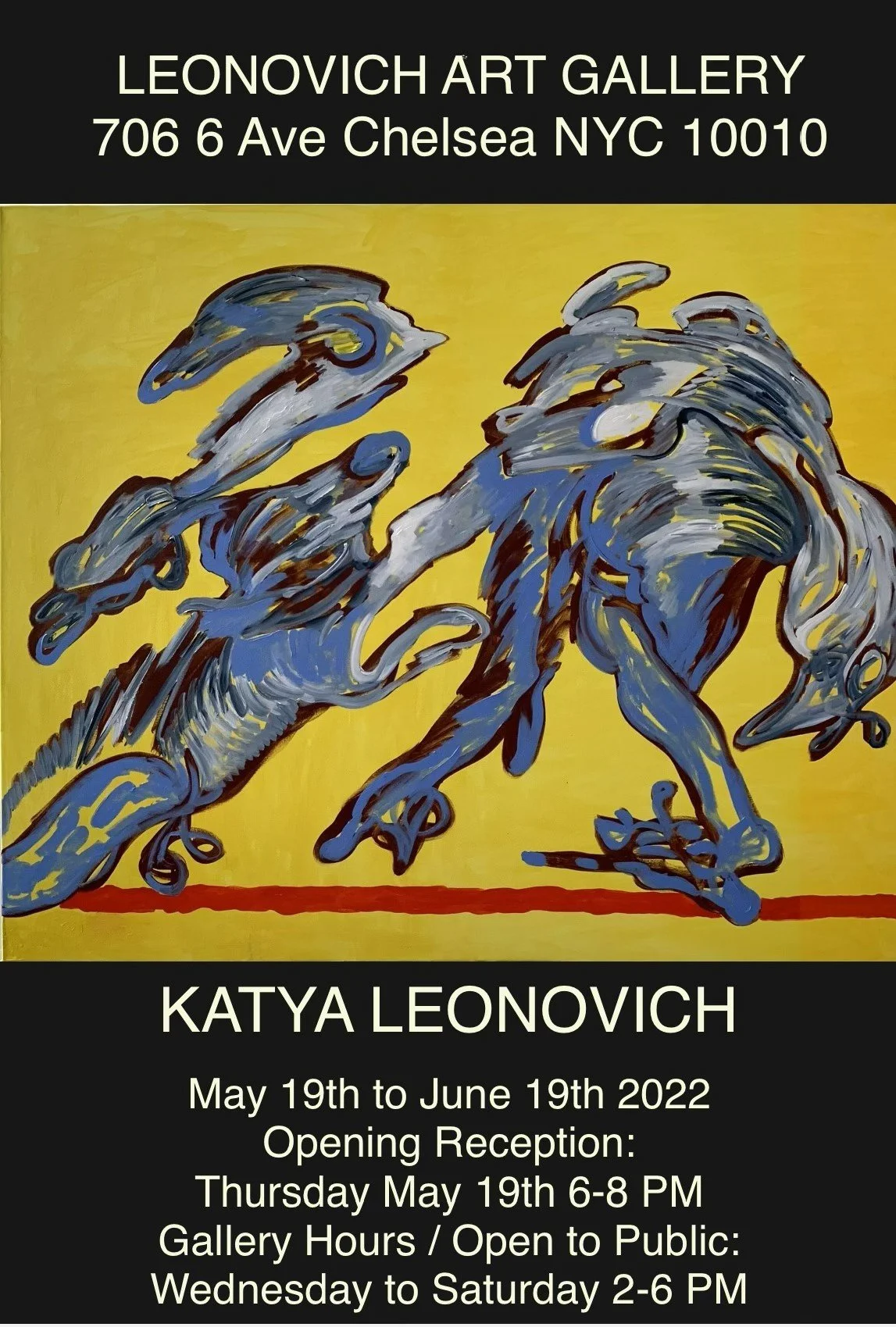
Leonovich Exhibition May-June 2022
-
![]()
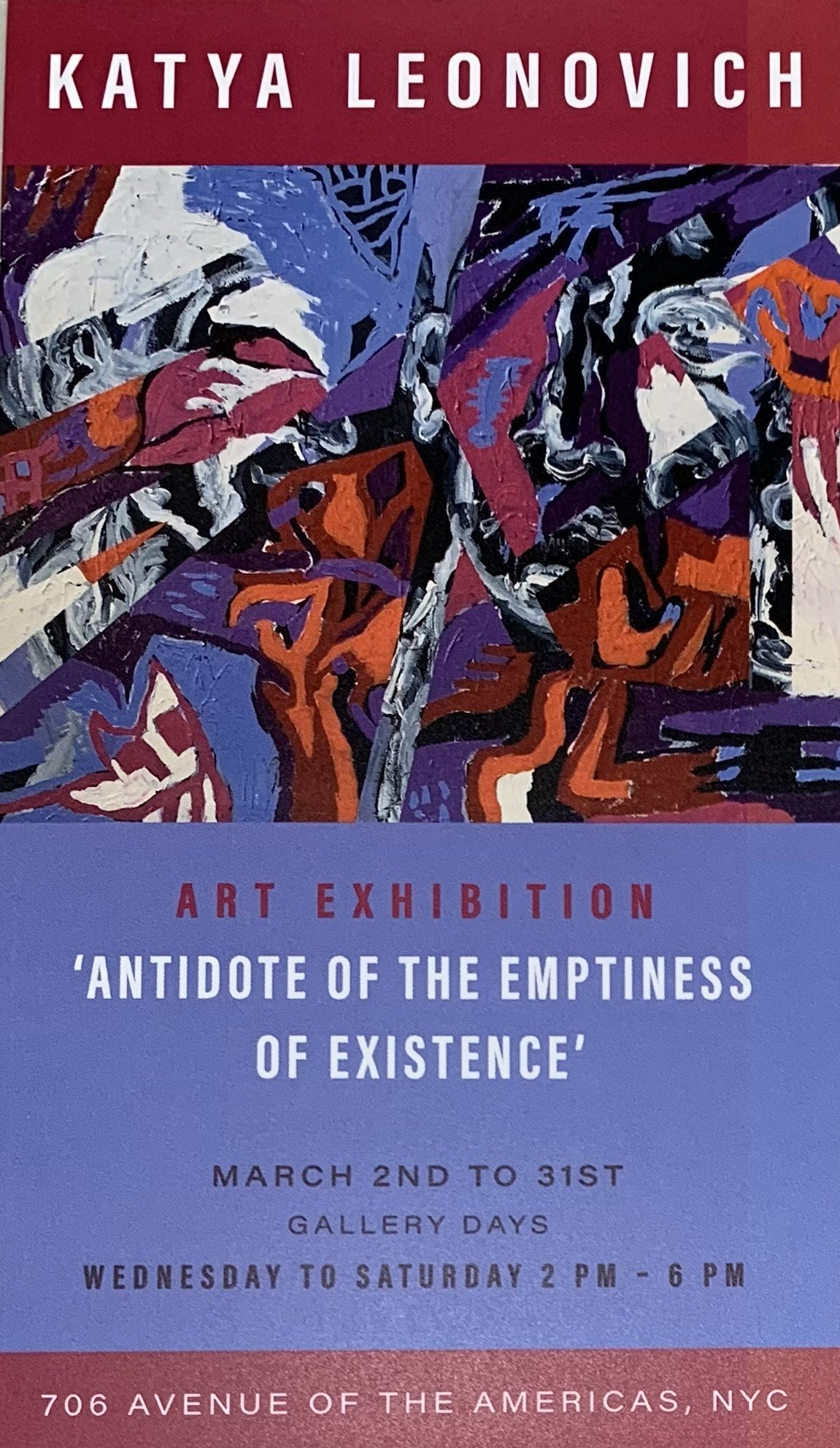
Antidote of the Emptiness of Existence. Katya Leonovich March 2022
-
![]()
Fix&Fax 2018